

 Special Offers
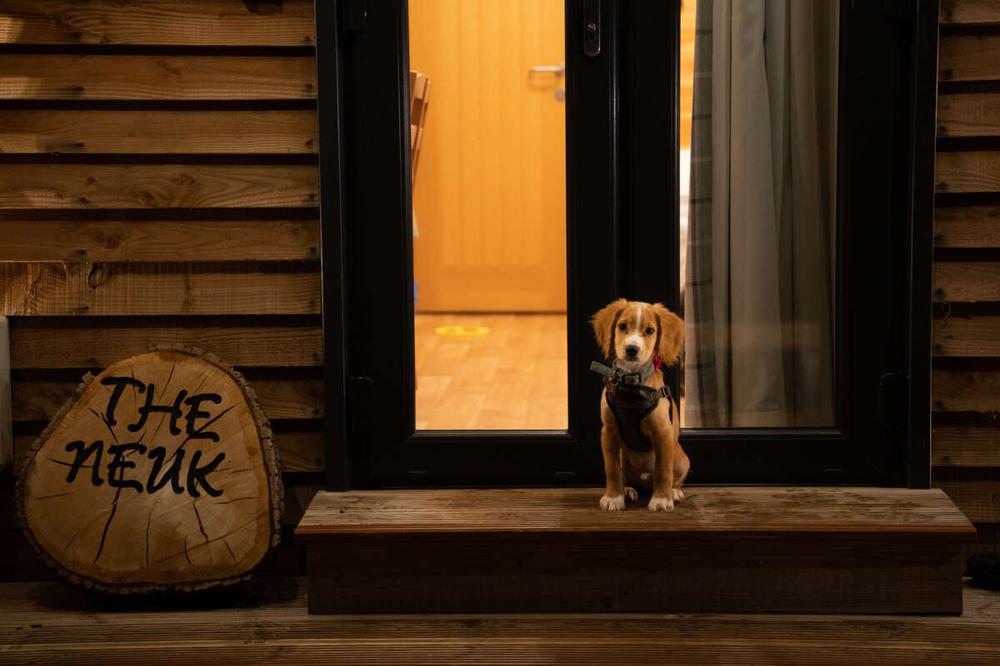
Glamping With Dogs: The Complete Guide
Taking a dog glamping is easier than taking one to a hotel and considerably more fun for both of you. There are no corridors, no lifts and no awkward breakfast rooms. The walk starts at the door, the space outside the cabin is yours, and nobody minds muddy paws. This guide covers what to expect, what to pack, and the handful of things that are worth getting right before you go. When you are ready to look at sites, the dog-friendly glamping collection is the place to start.
What dog-friendly actually means
This is the single most useful thing to understand before you book. At Wigwam®, dog-friendly is a property of the cabin, not the whole site. A site might have ten cabins and five of them accept dogs. That means booking the specific dog-friendly cabin rather than assuming the site policy covers you, and it means the dog-friendly units are the first to go at busy times.
Most sites charge a small fee per dog per stay, and many cap the number of dogs per cabin at two. Both are on the individual cabin listing. If you are travelling with more than two dogs, ring the site rather than guessing.
What to pack
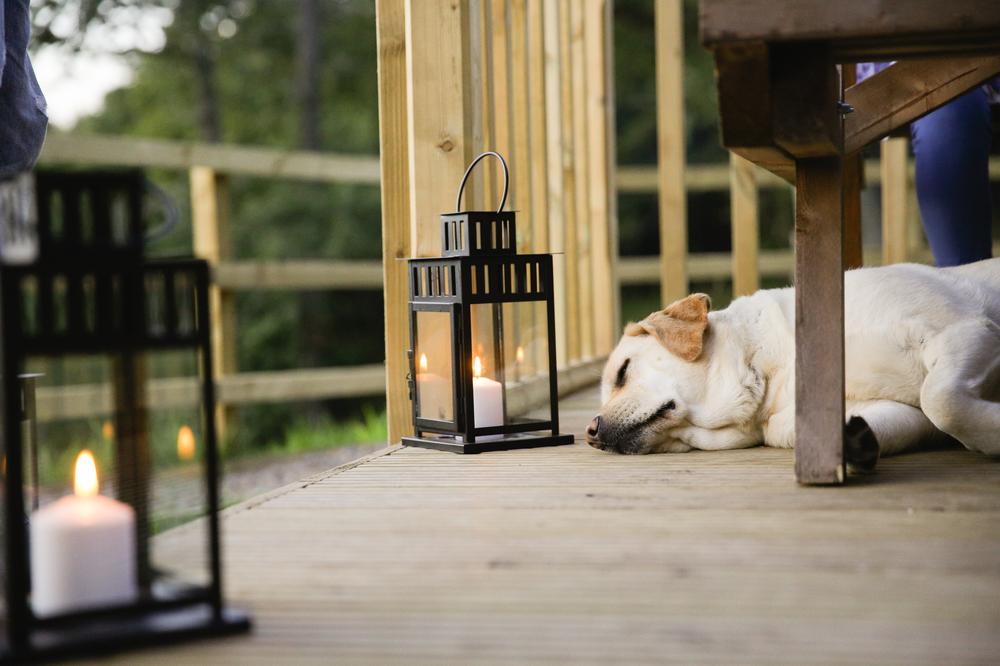
Bring their own bed or a familiar blanket. This matters more in a cabin than in a house, because the space is small and unfamiliar and something that smells of home settles a dog within minutes rather than hours. Add bowls, food from home rather than a new bag bought on the way, a spare lead, poo bags, and a towel that lives by the door and never leaves.
A long line is worth its weight. It gives a dog forty feet of freedom in a space you do not know yet, which is exactly what you want on the first evening before you have worked out where the boundaries are. If your dog is a swimmer, a second towel and a drying coat will save the cabin.
The first night
Arrive in daylight if you can. Walk the perimeter of the pitch with your dog on a lead before you unload anything, so they learn where the edges are while you are still interesting to them. Feed them at the usual time even if your own dinner has slipped. Then put their bed somewhere they can see the door, which is where most dogs choose to sleep anyway.
Some dogs bark at the first few unfamiliar noises. A cabin is closer to your neighbours than a house is, so it is worth being realistic about this. If your dog is reactive to footsteps outside, ask for a cabin at the end of a row when you book.
Site etiquette
Leads on shared paths, always, even for a dog with perfect recall, because the dog coming the other way may not have it. Pick up everything, including in the woods. Do not leave a dog alone in a cabin unless you already know they are settled being alone somewhere unfamiliar, which is a different thing to being fine at home. And the hot tub, if your cabin has one, is for human guests only, both for hygiene and because the water is far too warm for a dog.
Livestock, wildlife and the seasons
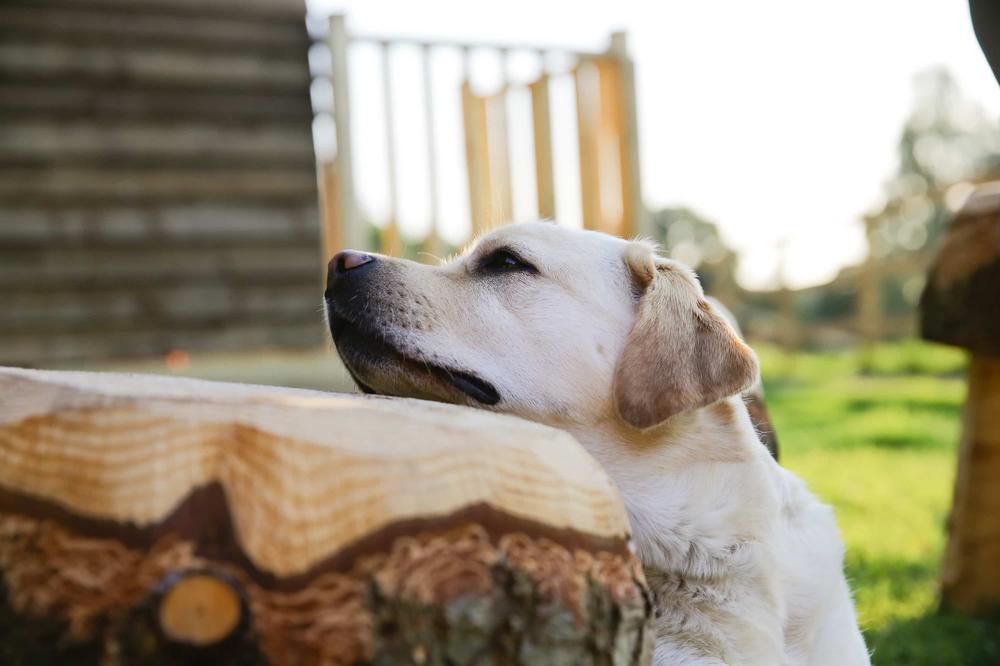
Most Wigwam® sites sit on or beside working farmland, and that is the one thing that genuinely matters. Between April and July, sheep are lambing and ground-nesting birds are breeding on moorland and dunes. Short lead near livestock, no exceptions, and stay off moorland edges in spring where you see signs asking you to. Cattle are a separate risk: if a group of cattle moves towards you, let the dog off the lead and walk away calmly, because they are following the dog, not you.
On beaches, England and Wales have seasonal restrictions on many resort beaches, usually May to September. Scotland is generally open all year. Check the specific beach rather than the region.
Wet dogs and small cabins
Four nights in October with a wet dog is a solvable problem, but only if you plan for it. Most sites have an outside tap and somewhere sensible to rinse a dog down. Take two old towels, a drying coat if you have one, and a mat for inside the door. Hang wet things outside rather than in the cabin, which will otherwise smell like a wet dog for the rest of the week.
When to go
Autumn is the best season for a dog: cool air, quiet paths, no wasps and firmer ground than you would think. Winter works too, because the cabins are insulated and heated, and a cold clear evening is when a hot tub earns its keep. Summer is the hardest, because of beach restrictions, warm cars and busy trails, so plan walks for early morning and evening if you are travelling in July or August.
Where to go next
When you have the practical side sorted, the choice is where. The dog-friendly glamping collection brings the dog-friendly sites together, and the country pages narrow it down: Scotland, England, Wales and Northern Ireland. Booking direct with Wigwam® is always the best price.
Frequently asked questions
Can you take dogs glamping?
Yes. At Wigwam®, dogs are welcome in selected cabins at most sites. The important detail is that dog-friendly is a property of the individual cabin rather than the whole site, so book the specific cabin.
How many dogs can I bring?
Most sites allow up to two dogs per cabin, and some allow more. The limit is on the individual cabin listing. If you are travelling with three or more, contact the site directly before booking.
Is there a charge for bringing a dog?
Most sites charge a small fee per dog per stay. It is shown on the cabin listing at the point of booking.
Can my dog go in the hot tub?
No. Hot tubs are for human guests only, both for hygiene reasons and because the water temperature is unsafe for dogs.
Can I leave my dog alone in the cabin?
Only if you already know they settle alone in an unfamiliar place, which is different to being fine at home. Many sites ask that dogs are not left unattended. Check the site rules when you book.
What should I do about sheep and cattle?
Keep dogs on a short lead near sheep, especially from April to July during lambing. If cattle move towards you, let the dog off the lead and walk away calmly, because the cattle are reacting to the dog rather than to you.